Spring and summer wake up every animal that spent winter conserving energy. Food is plentiful, breeding is underway, and territory lines shift fast. That’s when homes and businesses get tested. Sofit gaps grow into nest sites. Dryer vents become nurseries. Loose crawlspace doors invite night visitors. After twenty years in wildlife control, I’ve learned that the best “removal” starts before the first scratching sound. When prevention falters, decisive and humane action matters. The following playbook blends real-world experience with the biology that drives spring and summer behavior, so you can keep your property safe without creating fresh problems.
Why animal behavior changes when the weather turns
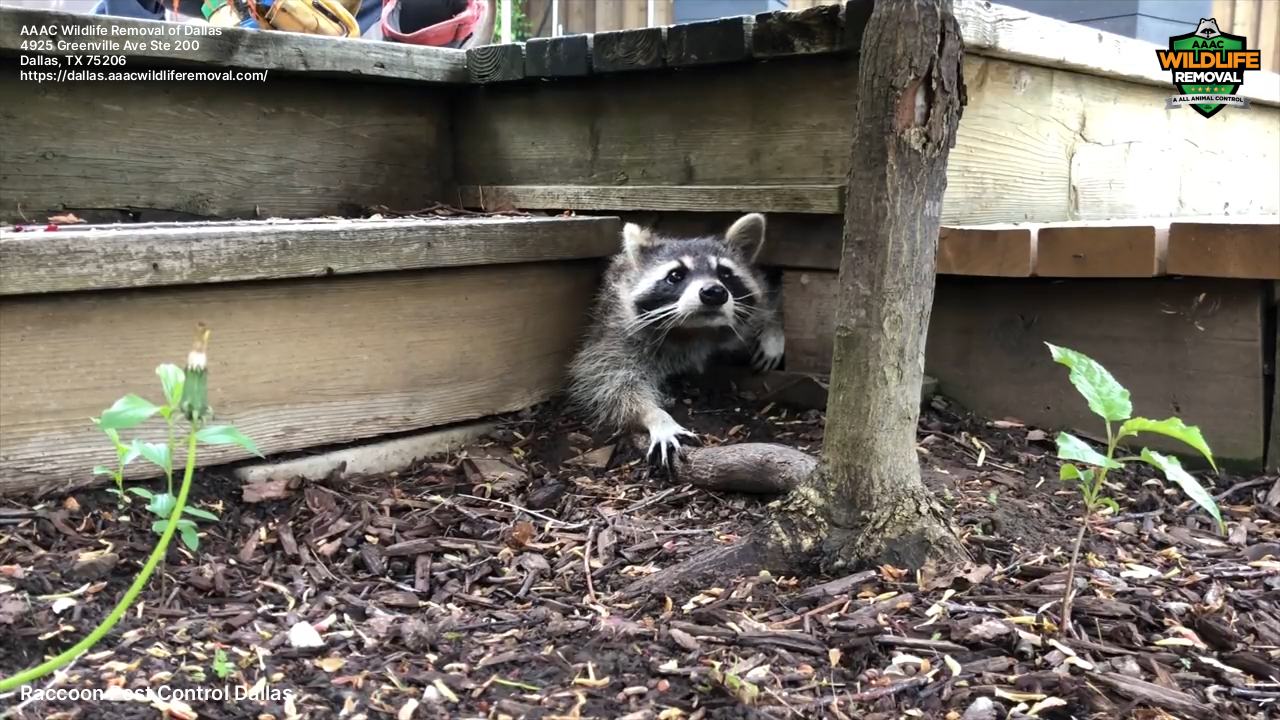
Longer daylight and richer food sources trigger breeding cycles. Many species birth and raise young from March through August. That means dens and nests appear in places that seemed quiet in winter. Raccoons look for high, dry cavities, often attic corners where the insulation stays warm. Squirrels focus on soffits and eaves where they can chew in and tuck away a litter. Skunks and groundhogs work effective nuisance wildlife management the ground, undermining decks and sheds. Bats return to maternity roosts as temperatures rise, and they prefer stable, draft-free voids near roof peaks. Birds, from starlings to woodpeckers, take advantage of vents and trim rot.
In practical terms, breeding season turns your home into a habitat. Food, water, shelter, and quiet are all present, especially if vegetation touches the structure and there are gaps in the exterior. Understanding those drivers helps you decide when wildlife exclusion is enough and when a wildlife trapper should step in.
The spring checklist I walk through on every call
When I arrive at a property in April or May, the first 15 minutes set the tone. I do a two-pass inspection: a slow exterior walk, then a focused attic and crawlspace check if access allows. I’m listening as much as I’m looking. Juvenile raccoons make a distinct chittering. Squirrels scratch in short bursts during daylight. Bats leave pepper-like droppings below their entry point, often a small gap at a ridge vent. Skunks announce themselves before you see them. I also note plants touching the house, any pet food outdoors, compost bins, and bird feeders. Those small lifestyle choices often create steady traffic from dusk to dawn.
A spring inspection aims to separate travel routes from nesting sites. That distinction controls the plan. Travel routes mean you can often focus on sealing and habitat changes. Nesting sites, especially with dependent young, require timing, specialized techniques, and patience.
Before you remove, confirm there are no young
The most common mistake in spring and early summer is sealing an entry hole while pups or kits are still inside. Mother raccoons move babies at night when alerted, but that assumes there is a second den ready and the exit remains open. Squirrels will chew a new exit if desperate, often damaging wiring or gutters as they panic. Bats are a special case. During maternity season, most regions prohibit bat exclusion because flightless pups will starve if adults are blocked outside. Check your state or provincial guidance, as windows for lawful bat work typically fall in late summer and early fall.
I teach new technicians a simple rule: identify species, then identify life stage. Find droppings, nesting material, tracks, hair, or grease marks. Cameras help when noise patterns are inconsistent. If you confirm young, plan a removal that accounts for them, either by gentle hand removal and reunification outside the structure or by timing exclusion for the moment after the young become mobile.
Humane removal options that work in the real world
“Removal” has a narrow meaning in some jurisdictions and a broader one in conversation. Trapping, hand removal, one-way doors, and guided relocation of family units are all part of wildlife control, but the law and ethics limit your choices. For example, many states restrict translocation of raccoons and skunks due to disease concerns. Some municipal codes require release on-site once entry is sealed. That’s where a professional wildlife trapper earns their keep, because the wrong technique can create more risk than relief.
Effective choices vary by species:
- Raccoons in an attic: If kits are present, locate the nest. I prefer to place kits in a heated reunion box just outside the entry and install a lockable one-way door over the hole. In most cases, the mother retrieves her young and relocates them that night. Once activity ceases, we remove the one-way door and complete permanent repairs. When kits are absent and legal conditions allow, targeted live trapping at the active entry can work, but one-way doors usually reduce stress and avoid non-target captures. Squirrels in soffits or eaves: One-way doors paired with hardware cloth sealing of all secondary gaps is the most efficient approach. Spring litters complicate timing. If juveniles are still blind or barely mobile, I either hand remove them with gloves into a soft reunion box or calendar the exclusion for two to three weeks later. Re-entry attempts are common, so the sealing work must be tight. Squirrels test poor repairs within 24 hours. Skunks and groundhogs under porches: Dig defense is the long-term solution. Traps can be effective for skunks if you use covered models to prevent spray and check them early. A better approach is a continuous L-shaped apron of galvanized mesh around the base of the structure, buried 8 to 10 inches, extending outward 12 to 18 inches. Install a one-way door at the main opening until you are sure the den is empty, then close it. Bats near rooflines: Bat valves or cones are standard outside of maternity season. They allow exit but not return. You then close every gap larger than a quarter inch, an exacting process that often takes most of a day on an average home. During summer pup season, the ethical and legal choice is to delay full exclusion, reduce interior access routes, and fix attractants until the window opens. Birds in vents: Many dryer and bathroom vents have flimsy hoods. Starlings exploit them quickly. The safest method is to remove nesting material, install a backdraft damper and a rigid metal cover with a serviceable screen, and only then consider gentle deterrents. With active nests, check local regulations, as many native species are protected. Non-native starlings and house sparrows have fewer protections, but you still need to handle the removal carefully to avoid fire hazards from lint and nesting material.
Across these scenarios, a wildlife exterminator is not the right frame. Poisons or lethal programs rarely make sense for mid- to large-sized nuisance wildlife and can violate law, create hazards for pets, or lead to dead animals in inaccessible cavities. Humane wildlife removal, followed by durable wildlife exclusion, is the standard that preserves safety and avoids repeats.
Exclusion as the main event
Exclusion is simply the art of making your building unwelcoming, and it is more craft than concept. The difference between a quick fix and a season of peace lives in the details: gauge of hardware cloth, fastener type, flashing angles, and whether sealant can flex with the siding.
I keep both 16- and 19-gauge galvanized hardware cloth on the truck. For rodents and squirrels, 19-gauge is often enough when properly supported. For raccoons, I step up to 16-gauge or even expanded metal in chew-prone zones. At rooflines, I prefer custom-bent metal flashing with sealed seams rather than relying on caulk. Caulk ages, animals learn, and a raccoon can pluck failing sealant like string.
Soffits and fascia deserve special attention in spring, because winter ice and wind pull them out of true. Those quarter-inch gaps look trivial until a bat or juvenile squirrel finds them. Ridge vents vary wildly in quality. I’ve replaced plastic ridge vents on homes under five years old because starlings had warped the louvers. Gable vents, if not screened properly, let in birds and bats. I use 1 by 1 inch galvanized mesh externally, painted to match. It sheds water and resists claws far better than insect screen.
Crawlspace doors and foundation grills fail often. A sagging wood door is a skunk’s invitation. Replace it with a framed, gasketed panel, or add a metal kick plate and a proper latch. On older homes, air bricks and decorative blocks might hide holes that look like part of the pattern; animals exploit those. Every foundation opening larger than a dime needs a plan.
Landscape changes that make wildlife less interested
Exterior habitat is part of exclusion. Tall grass or ivy against the foundation hides travel routes and entry points. Overhanging branches function as ramps for squirrels and raccoons. Bird feeders create a reliable seed spill, which invites everything from deer to rats. Compost bins with loose lids are buffets. Pet dishes left outside at night are worse.
A few changes pay dividends quickly. Trim branches back at least 8 to 10 feet from the roofline. Set mowers or trimmers pest control to keep grass low near structures. Move bird feeders away from the building or accept that they increase activity and plan your exclusion accordingly. Keep trash in lidded, animal-resistant bins. If you must store feed or seed in a shed or garage, use metal containers with tight lids. Add gutter guards if leaf buildup creates damp soffits and rot, because soft wood is easy to open.
Water features deserve thought. Ornamental ponds with goldfish are a raccoon magnet. You can keep the pond if you add edge cover, motion-activated lights, and secure the nearby perimeter. But if your property consistently draws skunks or raccoons, consider relocating the water feature or netting it at night during peak activity months.
Timing and patience during peak season
The hardest call in June is the one where a homeowner hears noise above the bedroom at 2 a.m., phones a wildlife control company, and wants the problem solved before sunrise. Speed helps, but haste can turn a two-visit fix into a month-long saga. If kits or pups are present, you often need to plan a reunion-based removal. If bats are active and pups can’t fly, the ethical and legal answer is to stabilize the situation and calendar full exclusion for late August or early September. That conversation, handled honestly, builds trust.
For squirrels with litters, I target a narrow window: when the young are old enough to regulate their temperature but still dependent on the mother. That makes the reunion box effective and reduces the chance of desperate chewing. For raccoons, I look for a forecasted warm night to give the mother time to relocate her kits without exposing them to cold stress. Weather matters more than people think.
Tools a professional uses, and what a homeowner can do safely
I carry thermal cameras for finding nests in dense insulation, a boroscope for peeking into wall voids, and a variety of one-way doors sized for different species. For sealing, a cordless metal shear, aviation snips, masonry bits, and a rivet gun keep the work clean. I bring Tyvek suits, P100 respirators, and Hepa-capable vacuums for guano or heavy feces cleanup. Those are not vanity items. Raccoon roundworm eggs can persist in soil for years. Histoplasma spores in bat guano can cause serious illness if aerosolized. Proper personal protective equipment is not optional.
Homeowners can do the early steps safely. Inspect in daylight with binoculars. Photograph potential entries. Clean up birdseed and secure trash. Add temporary deterrents like bright motion lights aimed at likely entry routes while you wait for service. Avoid foam-only fixes. Animals chew through most expanding foams in seconds. If you must close a gap for the night, layer hardware cloth beneath sealant so there is a mechanical barrier, not just filler.
When to call a wildlife trapper and what to ask
If you hear persistent movement in daylight, see droppings inside, or find an entry at roof height, involve a professional. Choose companies that emphasize wildlife exclusion over repeated trapping visits. Ask about their plan for dependent young. Ask what materials they use at rooflines and whether their repairs are paintable and warrantied. Ask if they follow local timing rules for bat maternity season. Ethical operators will not promise a same-day full exclusion if bats with pups are present. They will offer a stabilization plan, then return when allowed.
I also suggest asking for photos before, during, and after. A good wildlife removal professional documents the entry, the repair, and any sanitation performed. If the company only offers to put out cages without sealing work, expect repeat visits and mounting bills. Removal without exclusion is a revolving door.
Sanitation and health considerations you should not skip
Droppings and urine remain after animals leave. In attics, raccoons compress insulation into trails and latrines. That reduces R-value and can let odors sink into drywall. For squirrels, the mess is lighter but still meaningful. I evaluate cleanup at two levels: spot sanitation around entry and nest sites, or full remediation if contamination is broad. Full remediation might include removing sections of contaminated insulation, Hepa vacuuming the deck, and fogging with an appropriate disinfectant. Overselling cleanup is easy, but so is underestimating risk. I lean on measurements and photos, then explain options with costs and benefits.
Vent ducts bird nests are a special hazard. Dryer vents clogged with nesting material are fire risks. Bathroom fan ducts lined with straw and droppings push air through a microbial mat. Remove all nesting material, sanitize the duct, and consider replacing it if flexible plastic showed heat damage or collapsing ribs. Then add a rigid metal vent cover with a serviceable screen. If the screen is not serviceable, someone will eventually cut it off when lint builds up.
Edge cases worth understanding
Not every animal in spring needs removal. Foxes may den in a secluded corner of a large yard for a few weeks. If they are not near pets or a play area, leaving them alone can be the safest option, and they often move once the kits are mobile. Swallows build mud nests on protected eaves and are protected in many places. Removing active nests can lead to fines. A wildlife control professional should know these boundaries and offer alternatives, like visual deterrents placed before nest building begins.
Woodpeckers drumming and pecking on cedar or stucco is another spring headache. They are not trying to get inside as much as searching for insects or communicating. Exclusion with netting and targeted deterrents can help, but the long game is addressing insects in the siding and providing an alternative drumming post away from the house. The quick fix, filling holes and painting, works until the next morning unless you address the cause.
A measured approach to deterrents and repellents
People ask about sprays, predator urine, and ultrasonic devices. My short answer: use them as temporary aids, not as a plan. Repellents can help nudge a raccoon to move kits to a secondary den when paired with a one-way door. Ammonia rags and mothballs are not safe or effective, and mothballs are regulated for outdoor use only in specific ways. Ultrasonics rarely change behavior for more than a day or two. Motion-activated lights and sprinklers are better. They startle without harm, and while animals habituate, the devices can buy you time to complete exclusion.
For bats, chemical repellents are a nonstarter. They either do nothing or risk harming animals and people. Professional-grade bat valves remain the proven method, applied outside maternity season.
How costs scale and where to invest
Homeowners often want a range before anyone climbs a ladder. While prices vary by region, there are patterns. Simple one-way door installs with sealing of a single entry might run a few hundred to a thousand dollars, depending on access and materials. Full-home exclusion with ridge vent protection, gable vent screening, soffit repairs, and crawlspace fortification can range from low four figures to five figures for large or complex roofs. Bat exclusions trend higher because of the detail work and timing constraints. Cleanup and insulation replacement are separate line items. The cheapest option is usually the one you do in March before an animal moves in, not the one you choose at midnight in June.
If you need to prioritize, focus on roofline integrity, soffits, and vents first, then move to ground-level defenses and landscape modifications. A sturdy, sealed roofline stops the most costly intrusions.
A short seasonal roadmap
Use this quick sequence to stay ahead of problems in spring and summer.
- March to April: Inspect rooflines, ridge vents, and soffits. Trim branches. Secure trash and seed. Close obvious gaps larger than a quarter inch. Schedule bat assessments if you had activity last year. May: Watch for signs of litters. If you hear chittering or find droppings, call a wildlife control professional. Avoid sealing until you confirm no young are trapped. June to July: Plan removals that consider heat and juvenile mobility. Use one-way doors and reunion boxes when needed. Complete exclusion immediately after activity stops. August: If bats were present, target this window for bat valves and full sealing before fall migrations. Revisit landscape, as summer growth reopens access routes. Throughout: Keep gutters clear, replace damaged vent covers with rigid versions, and check crawlspace doors after storms.
What success looks like
A quiet attic is a start, but long-term success shows up in the details. No fresh chew marks at soffit corners. No droppings on the AC condensing unit pad. No nighttime camera clips of raccoons climbing the downspout. Your dryer vents run hot and clean. The ridge line sits tight and symmetrical. Inside, the insulation is fluffy, not matted into trails. And perhaps most telling, you stop thinking about wildlife because the house stops offering opportunities.
Wildlife will always test a property in spring and summer. Your job is to make those tests boring. With good timing, humane techniques, and solid wildlife exclusion, most homes pass year after year. When they do not, a qualified wildlife trapper brings skill, patience, and the right materials to turn a stressful week into a brief memory. The goal is not war with nature, but boundaries that hold.